As Seen In:


As campuses grow in size, complexity, and mission criticality, leaders are under increasing pressure to deliver environments that are not only operationally efficient, but also resilient, adaptable, and sustainable. Higher education institutions, healthcare systems, corporate campuses, and mixed use developments all face similar challenges: fragmented building systems, rising energy costs, increasing cybersecurity risks, operational silos, and expanding sustainability mandates.
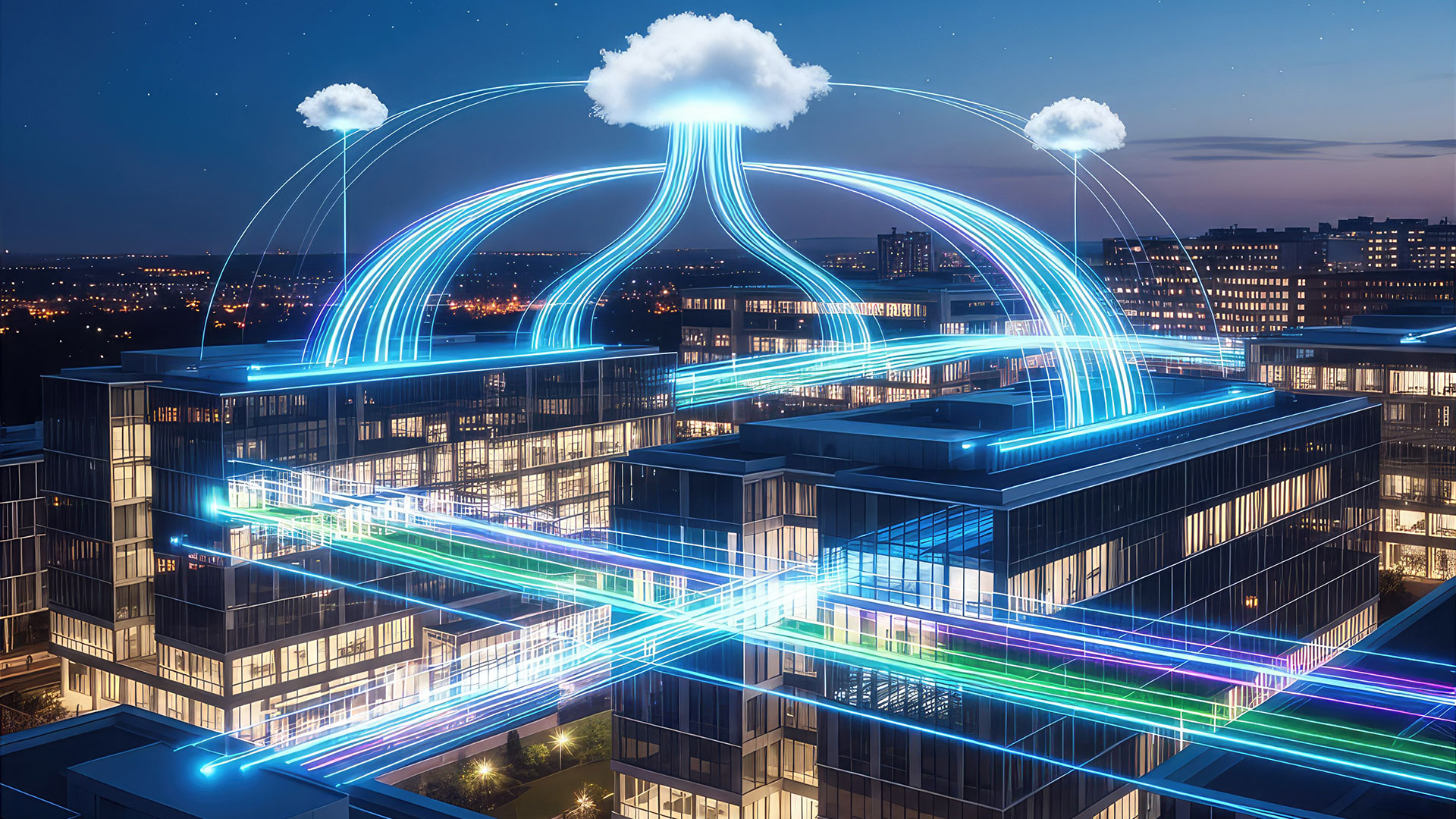
Master Systems Integration (MSI) has emerged as a foundational strategy to address these challenges. By unifying disparate building systems under a single, cohesive framework, MSI enables campuses to operate as connected ecosystems rather than disconnected facilities. The result is improved visibility, smarter decision making, and long term value creation that extends well beyond operational cost savings.
The Challenge of Fragmented Campus Systems
Most campuses evolve over decades. Buildings are often constructed or renovated at different times, each incorporating technology from different vendors, standards, and generations. HVAC, lighting, access control, security, fire systems, energy management, and IT networks may all operate independently. While each system may perform adequately on its own, the lack of integration creates inefficiencies, including:
- Limited system visibility and data silos
- Higher operating and maintenance costs
- Reactive rather than predictive decision making
- Increased risk during emergencies or system failures
- Difficulty meeting sustainability and compliance goals
As campuses scale, fragmentation becomes a business liability. Leadership teams lack a single source of truth and are forced to rely on incomplete or delayed information when making strategic and financial decisions.
What is Master Systems Integration?
Master Systems Integration is the practice of designing, implementing, and managing how building systems communicate, share data, and operate together across an entire campus. Rather than focusing on individual systems, MSI establishes an overarching architecture that ensures interoperability, scalability, cybersecurity, and performance alignment.
Master Systems Integrators act as a neutral advisor and coordinator focused on outcomes such as reliability, resiliency, user experience, and total cost of ownership. This role spans planning, design, implementation, and lifecycle optimization.
In business terms, MSI transforms buildings from isolated cost centers into data driven assets that support organizational strategy.
Creating Unified Campus Operations
One of the most immediate benefits of MSI is unified visibility. Integrated systems enable real time performance views across buildings, systems, and utilities within a single operational framework.
This integration enables:
- Centralized monitoring and control of critical infrastructure
- Standardized operating procedures across facilities
- Faster fault detection and diagnostics with actions for resolution
- Improved collaboration between facilities, IT, security, and sustainability teams
Unified operations reduce redundancy and inefficiency while empowering staff to focus on higher value tasks instead of manual system management. For leadership, this visibility supports more informed capital planning, risk management, and operational budgeting.
Strengthening Campus Resilience
Resilience is now a core business requirement. Extreme weather, grid instability, cybersecurity threats, and public safety concerns have elevated the importance of continuity planning and rapid response.
Master Systems Integration supports resilience by enabling coordinated system behavior during disruptions. Integrated platforms can prioritize critical loads, automate response workflows, and provide real time insights during emergencies. For example, connecting building automation with power management, security, and communications systems allows campuses to respond faster and more effectively when incidents occur.
From a governance perspective, MSI also supports cybersecurity by enforcing consistent standards, segmentation, and monitoring across operational technology networks. As building systems become more connected, a unified cyber security approach is essential to protecting both physical assets and business continuity.
Long Term Financial and Strategic Value
While MSI delivers clear operational benefits, its true value lies in long term financial impact. Integrated systems reduce lifecycle costs by extending asset life, preventing failures, and enabling predictive maintenance. Standardized architectures lower future integration costs as technologies evolve because of their ability to integrate and scale as needs evolve.
From a strategic standpoint, campuses enabled by MSI are better positioned to adopt emerging technologies such as advanced analytics, artificial intelligence, and smart grid integration. Rather than requiring costly retrofits, these innovations can be layered onto an existing, well governed integration framework.
For executives and boards, MSI supports stronger capital allocation decisions by linking facility performance data to business outcomes. Buildings become measurable contributors to resilience, sustainability, and institutional growth.
Conclusion: Integration as a Business Imperative
Stark Tech is a proven Master Systems Integrator for complex campus environments, bringing together advanced building, energy, and operational technologies into secure, scalable, and future ready ecosystems. In today’s environment, campuses can no longer function as collections of disconnected systems.
Stark Tech provides the integration foundation that enables unified operations, enhanced resilience, and measurable sustainability outcomes. With deep experience across large, multi building and multi stakeholder campuses, Stark Tech helps organizations simplify complexity, unlock actionable intelligence, and operate with greater confidence and control.
Visit https://starktech.com/building-technologies/ for more information.
Steve Smith, Senior Vice President of Sales, Marketing and Service, joined Stark Tech in 2019 to lead the growth and go-to-market strategies for the organization. Steve brings extensive background and experience leading business strategy and plan development for multi-million-dollar P&Ls. In the past, he’s served on the management teams at Caplugs and The Mentholatum Company. He holds his Bachelor of Science in Political Science from Syracuse University.